What Expenses Can Sole Traders Claim in Australia?
Running a business as a sole trader comes with many responsibilities, but it also allows you to claim legitimate business expenses that may reduce your taxable income.
Understanding what you can and cannot claim is essential for staying compliant and avoiding problems at tax time.
The deductions available may also influence whether you remain a sole trader or consider a company structureSole Trader vs Company in Australia: Which Pays Less Tax?Compare structures, tax treatment, and long-term business considerations.Read more →.

General Rule
The Australian Taxation Office (ATO) generally allows deductions for expenses that are directly related to earning your business income.
To claim a deduction, you should:
- Have incurred the expense yourself
- Be able to show how it relates to your business activities
- Keep records such as invoices, receipts or bank statements
Common Expenses Sole Traders May Be Able to Claim
Vehicle Expenses
If you use your vehicle for business purposes, you may be able to claim:
- Travel between job sites
- Travel to suppliers
- Business-related errands
Personal trips and commuting between home and a regular workplace are generally not deductible.
Tools and Equipment
Many sole traders purchase equipment necessary for their work.
Examples include:
- Power tools
- Laptops
- Mobile phones
- Safety equipment
- Trade-specific tools
Depending on the cost, different tax treatment may apply.
Home Office Expenses
If you operate your business from home, you may be able to claim a portion of:
- Electricity
- Internet
- Phone expenses
- Office supplies
Accurate records should be maintained to support any claim.
Professional Services
Expenses related to running your business may also be deductible, including:
- Accounting fees
- Bookkeeping services
- Software subscriptions
- Legal advice
- Business registrations
If your turnover is growing, it is also worth reviewing whether GST registrationDo I Need to Register for GST in Australia?Learn when registration is required and how to comply.Read more → affects how you record and claim eligible purchases.
Training and Education
Courses and training directly related to your current business activities may be deductible.
The connection between the training and your existing income-producing activities is important.
Insurance
Business-related insurance policies may be deductible, including:
- Public liability insurance
- Professional indemnity insurance
- Business equipment insurance
Expenses That Are Usually Not Deductible
Some common mistakes include attempting to claim:
- Personal groceries
- Private expenses
- Family holidays
- Clothing that is not work-related
- Fines and penalties
Keeping personal and business expenses separate can make record keeping much easier.
Why Good Record Keeping Matters
One of the biggest challenges for sole traders is maintaining organised records throughout the year.
Using accounting software and keeping digital copies of receipts can help simplify tax time and provide evidence if requested by the ATO.
Final Thoughts
Claiming legitimate business expenses can help reduce your taxable income, but it is important to understand the rules and maintain proper records.
Every business is different, and the deductions available will depend on your individual circumstances and the nature of your work.
If you are unsure what expenses may be deductible for your business, professional advice can help ensure you remain compliant while maximising legitimate deductions.
Need help with bookkeeping, tax or business compliance?
Contact Rockapital to learn how we can support your business.
Maximise your deductions with professional guidance.
Rockapital helps small businesses with bookkeeping, BAS, GST registration guidance and tax compliance support across Australia.
You Might Also Like
Explore more tax and business topics
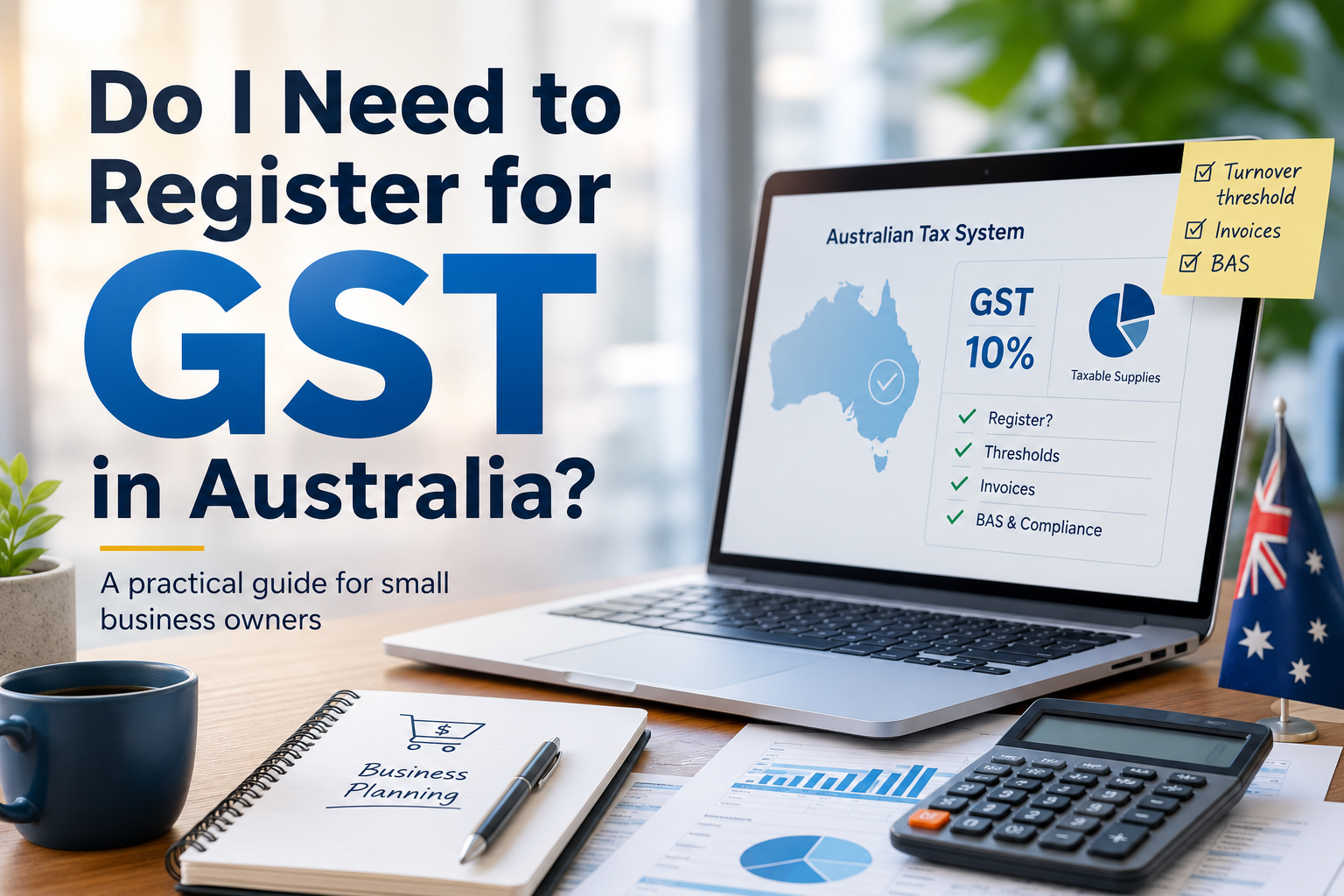
Do I Need to Register for GST in Australia?
Understand the $75,000 threshold, registration timing, and GST compliance requirements.
Read article →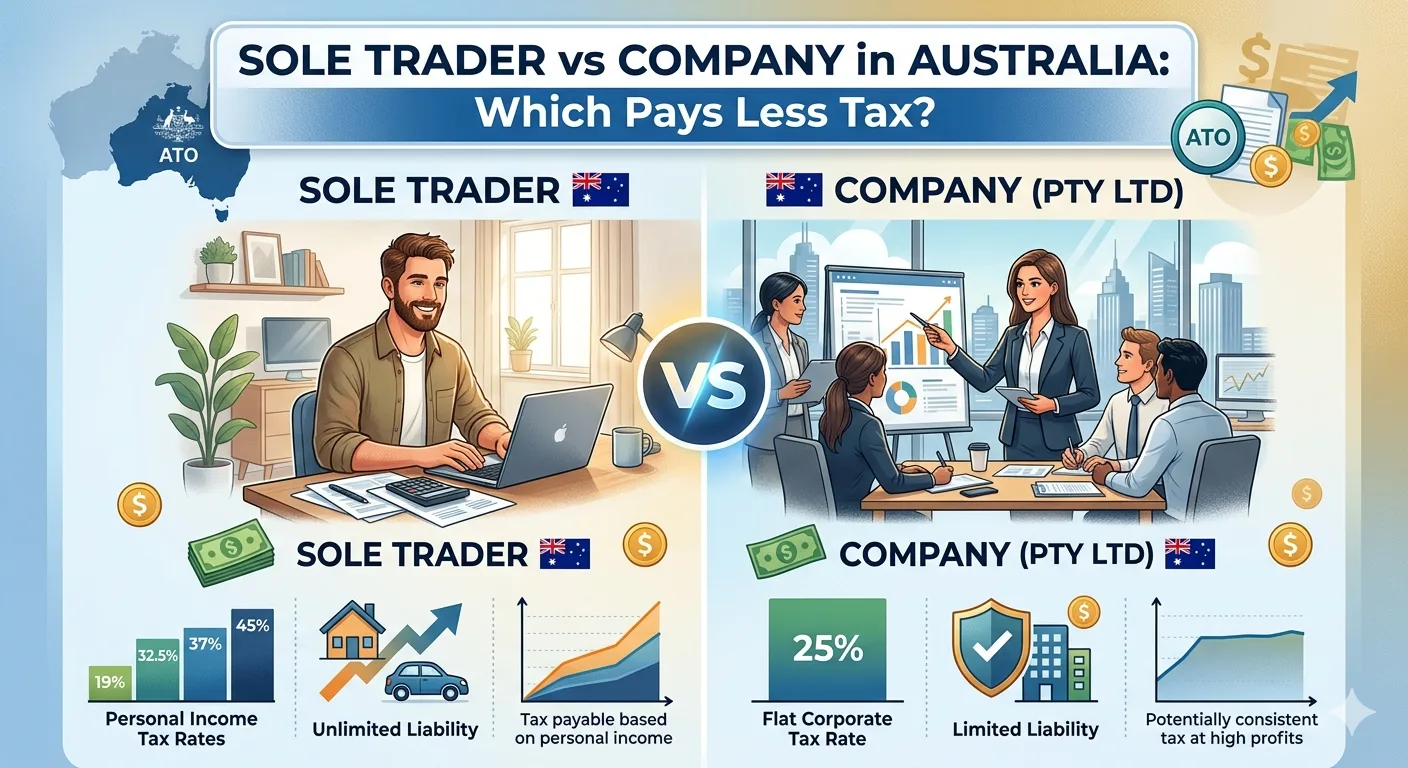
Sole Trader vs Company in Australia: Which Pays Less Tax?
Compare sole trader and company tax treatment and see which structure may be more tax efficient.
Read article →